
How to Leverage Local Reputation Marketing for Restaurants to Attract More Customers
Boost customer foot traffic with effective local reputation marketing strategies tailored for restaurants to enhance visibility and trust.
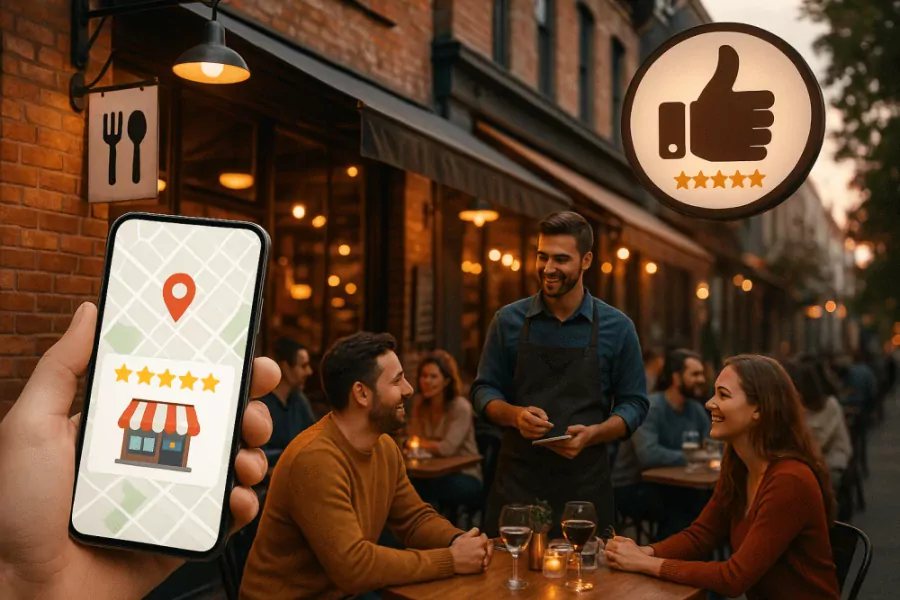
Introduction
In competitive neighborhoods and bustling city centers, local reputation marketing for restaurants is often the deciding factor between a full dining room and empty seats. Prospective guests compare star ratings, read recent reviews, and judge how you respond before they ever browse your menu. A strong strategy aligns your Google Business Profile, review generation, social proof, and customer experience so word-of-mouth is amplified online. By combining operational excellence with smart visibility tactics, you earn trust at scale and drive more foot traffic. This guide explains how to build, promote, and measure a system that turns happy diners into advocates. To see results faster, learn how local reputation marketing for restaurants influences discovery, conversions, and loyalty in your area.
Main Content
Build the foundation of local reputation marketing for restaurants with accurate listings and a standout Google Business Profile
Your foundation starts with accurate information across all listings, ensuring NAP consistency for your name, address, and phone. Audit your Google Business Profile, Yelp, TripAdvisor, and OpenTable, and correct any discrepancies that could confuse potential visitors. On Google, fully complete every field, add high-quality photos, and select the most relevant categories to improve local SEO. Use the Posts feature for weekly specials or seasonal menus to signal freshness to both users and search engines. Restaurants that keep profiles current are more likely to rank in the local map pack and capture ready-to-book intent.
Optimize visuals as if they were storefront signage, because they often are the first impression on mobile search. Upload professional photos of signature dishes, dining room ambiance, and staff in action to humanize your brand. Include alt text and captions that reflect cuisine type and neighborhood cues for added relevance. Encourage user-generated photos by prompting guests to share their experience and tag your location on social platforms. This content reinforces authenticity and expands your reach in nearby communities.
Use structured data on your website to support your profile and listings with accurate details search engines can parse. Add LocalBusiness schema with cuisine, price range, hours, and menu URLs, and ensure your site loads quickly on mobile. Link your Google Business Profile to a clear reservations path, whether you use an in-house system or a platform like OpenTable. Internally link important pages such as your services page, catering information, or private dining to distribute authority. A well-structured site that mirrors your listings helps search engines connect the dots and boosts local authority.
Create a reliable review engine: the heartbeat of local reputation marketing for restaurants
Set up a repeatable process to request, respond to, and learn from reviews so momentum never stalls. Ask at peak satisfaction moments, like after dessert or a successful catering delivery, when delight is highest. Provide multiple easy paths such as QR codes on the check presenter, SMS follow-ups for takeout, and post-visit emails with direct links. Train staff to use friendly, non-incentivized language that complies with platform policies and avoids gating. A steady cadence of fresh feedback signals relevance and improves ranking factors on key platforms.
Responding to reviews matters as much as getting them, because public replies demonstrate care and professionalism. Thank positive reviewers with specifics about what they enjoyed, such as a favorite dish or a server shout-out. Address negative feedback calmly, acknowledge the issue, and explain a brief corrective action before inviting the guest to continue the conversation offline. Research shows that thoughtful responses can improve ratings over time, and even increase review volume. For example, a restaurant group that implemented a 24-hour response policy saw a 0.3-star lift in six months and a measurable uptick in reservations.
Follow the rules: do not offer incentives for reviews on platforms that prohibit them, and never discourage neutral or negative feedback. Google's policies outline best practices for managing reviews and prohibited practices, which you can review in their official guidance at Google Business Profile Help. Yelp specifically warns against soliciting reviews, so adjust your tactics accordingly and focus on great experiences and organic reminders. This compliance-first approach protects your profiles and sustains long-term credibility. It also builds trust with guests who prefer genuine, balanced perspectives.
Amplify social proof and turn reviews into content that fuels discovery and conversions
Do not let great feedback live only on third-party sites; repurpose it across touchpoints to influence new guests. Feature a reviews carousel on your homepage and menu pages, and showcase recent 4- and 5-star comments near reservation buttons. Share a weekly review spotlight on Instagram or Facebook, tagging the dish mentioned to spark engagement and shares. Build short TikTok or Reels clips pairing voiceover of a real review with kitchen footage to humanize your brand. These assets compound reach and remind locals why you are worth trying this weekend.
Pair social proof with local SEO content to target neighborhood and cuisine-specific searches. Publish location pages optimized for phrases like best brunch in [Neighborhood] or family-friendly Italian near [Landmark], integrating snippets of authentic reviews. Internally link these posts to your reservation and contact pages to streamline the path to booking. Cite authoritative sources on trends or dining stats when relevant, such as the BrightLocal Local Consumer Review Survey, to reinforce your position. This blend of original content and third-party credibility strengthens both rankings and conversion rates.
Consider partnerships that multiply visibility, such as co-hosting events with nearby businesses or nonprofits. A taco shop that sponsors a neighborhood cleanup and posts before-and-after photos can earn local press and glowing community reviews. Cross-promotions with breweries, bakeries, or farmers' markets create new sampling opportunities and social posts. Encourage attendees to share photos with a branded hashtag and location tag to expand discoverability. Over time, this strategy builds goodwill and a durable moat around your local reputation.
Measure, iterate, and future-proof your local reputation marketing for restaurants
Choose metrics that connect directly to revenue, not just vanity numbers. Track review volume, average star rating, and recency across Google, Yelp, and OpenTable, along with reservation sources and call tracking data. Monitor rankings in the local map pack for your core cuisine and neighborhood keywords, and watch how they shift as reviews grow. Layer in sentiment analysis to identify themes like slow lunch service or outstanding patio ambiance, and address them operationally. Restaurants that close the loop between feedback and training see compounding gains in both ratings and guest satisfaction.
Build a simple weekly and monthly reporting rhythm so insights turn into action. In your weekly huddle, review standout feedback, identify quick wins, and recognize team members mentioned by name. Monthly, analyze review velocity, response times, and top keywords guests use to describe your brand. Set quarterly goals, like hitting 200 Google reviews with a 4.6+ rating or achieving a sub-12-hour response SLA. Align incentives with experience metrics to keep the team focused on what matters most to diners.
Prepare for crises or sudden negative swings with a clear response playbook. Define who replies, within what timeframe, and how to escalate issues like food safety concerns or service breakdowns. Draft templates for common scenarios that maintain your voice while speeding response, and update them based on new learnings. Keep a private log of resolved issues to ensure follow-through and prevent recurrence. A calm, consistent approach protects trust when it matters most and can even turn critics into loyal fans.
Conclusion
Winning in your neighborhood comes from aligning what you serve, how you serve it, and how the community talks about it. By building a complete Google Business Profile, tightening listing accuracy, and ensuring your site supports local signals, you set the stage. A steady review engine and fast, human replies transform private delight into public proof that earns trust at scale. Repurposing this social proof across your website, social media, and PR channels compounds reach and credibility. Consistent measurement, staff recognition, and clear playbooks keep performance rising and protect your brand in tough moments.
If you are ready to put these strategies to work, start with a quick audit and activate one improvement per week for steady wins. For hands-on help, explore our services, read our latest insights on the blog, or reach out through our contact page. Book a 20-minute consultation to customize local reputation marketing for restaurants to your concept, neighborhood, and goals. Let us help you turn five-star experiences into full dining rooms all week long. CTA: Schedule your free local reputation audit today.
Frequently Asked Questions
What is local reputation marketing for restaurants and how does it differ from traditional advertising?
Local reputation marketing for restaurants is the disciplined practice of earning, showcasing, and managing public trust in your local market. Unlike traditional advertising, which pushes messages, reputation marketing pulls customers in by amplifying real guest experiences and reviews. It focuses on platforms like Google Business Profile, Yelp, and TripAdvisor, where diners actively compare options. The strategy integrates review generation, response management, social proof, and local SEO to influence discovery and conversion. Because it is rooted in authenticity and service delivery, results compound as your operations improve and happy guests advocate for you.
How many reviews do I need, and how quickly should I get them?
Quality and recency matter more than a raw number, but most competitive neighborhoods demand a few hundred Google reviews to stand out. Aim for steady, natural growth, such as 10 to 30 new reviews per month depending on your traffic and capacity. Review velocity should align with actual volume, and you should avoid spikes that look engineered. Keep your most recent 50 to 100 reviews strong to influence conversion, since diners skim what is new. A consistent cadence, combined with fast and thoughtful responses, will elevate rankings and click-through rates over time.
Should I offer incentives for reviews, and what do the platforms allow?
It is best to avoid incentives because they can bias feedback, reduce credibility, and conflict with platform rules. Google bars review gating and discourages manipulative practices, which are outlined in its official policies at Google Business Profile Help. Yelp goes further and warns businesses not to ask for reviews at all, so focus on excellent experiences and organic prompts. Instead of discounts, prioritize frictionless review paths like QR codes, SMS links, and reservation follow-ups. Over time, a compliance-first strategy safeguards your profiles and builds trust with discerning diners.
Do responses to reviews really influence ratings and bookings?
Yes, thoughtful responses can improve perceptions and stimulate more balanced feedback. Academic and industry research indicates that management replies are correlated with better ratings; for example, an analysis published by Harvard Business Review found responding can increase ratings over time. Replies show prospective guests you are attentive, fair, and committed to service recovery, which reduces perceived risk. Publicly addressing issues also encourages staff accountability and process improvements that guests feel on their next visit. Ultimately, response quality and speed are reputation signals that influence both rankings and reservations.
Eden Streams LLC © 2026 All Rights Reserved